
Creative Art Therapy
Art & creative therapy can support individuals to manage a wide range of issues, both mental and physical.
Creative Arts therapy is a gentle and creative form of therapy that uses artistic expression to explore emotions, experiences, memories, and personal stories. It may involve drawing, painting, collage, colour work, clay, or other creative materials.
About Creative Art Therapy
Art therapy is founded on the belief that creative self-expression can hold therapeutic value for those who are healing, navigating difficult experiences, or seeking a deeper understanding of themselves and their behaviours.
No prior artistic experience or ability is necessary. The focus is not on creating a masterpiece but on the creative process itself and the meaning that may emerge through it.
The emphasis is on expression, exploration, and engagement, rather than the final outcome.
Guided by a doctorate trained art practitoner, the process gently explores the emotions, personal themes, and experiences that may arise through the artwork. This can help deepen self-awareness, encourage reflection, and support emotional wellbeing within a safe and supportive environment.
How Creative Art Therapy Works
Through creativity, thoughts and feelings can begin to take shape in a visible and tangible way. Artwork can become a starting point for reflection, communication, and deeper self-understanding.
With the support of a trained art practitioner, art therapy sessions may help bring together conscious, unconscious, and subconscious experiences, creating space for insight, emotional processing, healing, and personal growth.
Creative practices can also help people step away from the pressures of overthinking or becoming absorbed in difficult thoughts and stories. The process encourages presence, mindfulness, and emotional attunement in a way that feels natural, unfiltered, and unedited.
How Can Creative Art Therapy Help
Creative Art Therapy can be calming, grounding, and emotionally supportive. It may help people to:
Explore and process difficult emotions
Reduce stress and overwhelm
Improve self-awareness and emotional understanding
Build confidence and self-esteem
Develop healthier coping strategies
Support mindfulness and relaxation
Encourage healing during challenging life experiences or transitions
The creative process involved in art therapy has been widely recognised for its ability to support emotional healing, self-discovery, and personal growth.
Conditions and Experiences Creative Art Therapy May Support
Creative Art Therapy may support people experiencing:
Stress and overwhelm
Anxiety and low mood
Grief and loss
Trauma and abuse
Depression
Eating disorders
Low self-esteem or confidence
Difficulties with emotional expression or self-awareness
Relationship or identity challenges
Major life transitions
Long-term health conditions such as CFS/ME
Physical illness, pain, or disability
Mental, emotional, or physical distress
Practices you will engage in:
Mandalas
Originating from Buddhism and Hinduism, ‘Mandala” refers to geometric patterns in general. Often used as a form of relaxation and can also improve concentration, they involve both drawing and colouring.
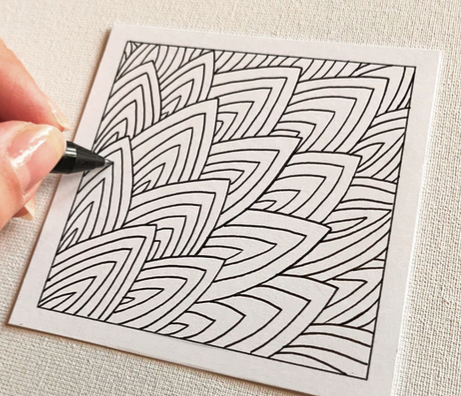
Zentangles
Zentangles rely on a specific, non-representational method of combining structured patterns. A meditative drawing method that involves creating abstract, structured patterns by repeating simple lines, curves, and dots.
Colour Therapy
Sessions use creativity, colour association, chakra awareness, and colour healing techniques to support emotional wellbeing, relaxation, and self-discovery.
Through guided art activities and exploration of the meanings and effects of colour, clients can gain insight into emotions, reduce stress, and promote balance and wellbeing.
Important Information
Art & Colour Therapy sessions are creative wellbeing experiences designed to encourage creativity, self-expression and personal reflection through art. They are not a clinical healthcare service, counselling, psychotherapy or art psychotherapy, and are not intended to diagnose, treat or manage mental or physical health conditions. These sessions are suitable for adults wishing to explore creativity in a supportive environment.
If you are experiencing significant mental health difficulties or are in crisis, please seek appropriate support from your GP or local mental health services.